

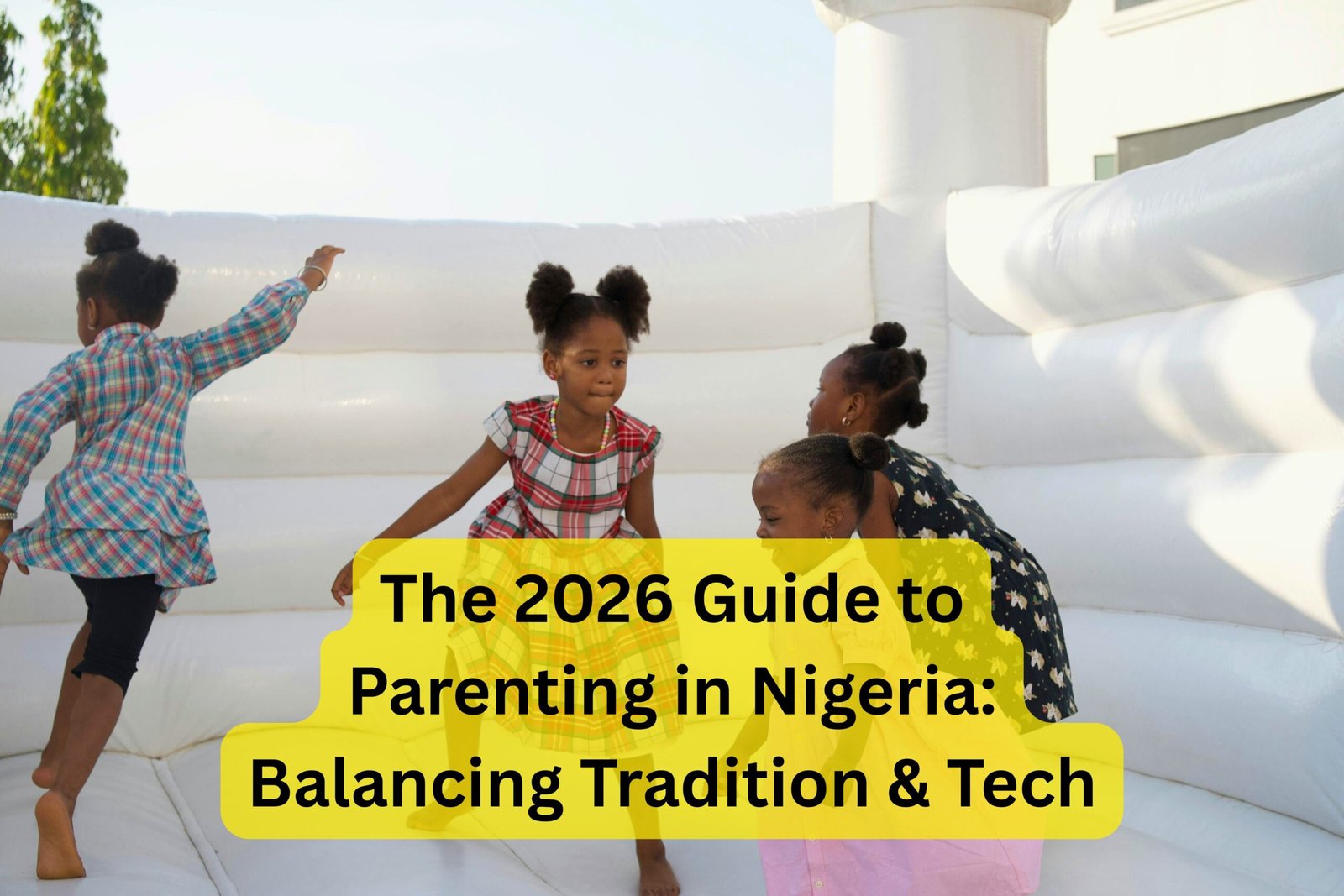
Introduction: The Modern Nigerian Parent’s Dilemma
Parenting has never been easy, but being a Nigerian parent in 2026 comes with its own unique set of challenges.
You’re standing at the crossroads of two worlds: one foot firmly planted in the rich soil of tradition, culture, and values passed down through generations, and the other stepping boldly into a digital future where smartphones are as common as cowries once were.
How do you raise children who respect their elders while also teaching them to question and innovate?
How do you limit screen time when education itself has gone digital? And perhaps most importantly, how do you preserve your cultural identity in a world that’s increasingly globalized?
If you’ve ever felt torn between your mother’s parenting advice and the latest parenting app notification, this guide is for you.
We’re going to explore how Nigerian parents can successfully navigate this delicate balance, creating a parenting approach that honors the past while embracing the future.
Understanding the Nigerian Parenting Landscape in 2026
The Role of Extended Family in Child Rearing
In Nigeria, the saying “it takes a village to raise a child” isn’t just a proverb—it’s a lived reality.
Unlike Western nuclear family structures, Nigerian children grow up surrounded by aunties, uncles, grandparents, and cousins who all play active roles in their upbringing.
This communal approach to parenting remains one of our greatest strengths in 2026. Your child benefits from multiple perspectives, learns to navigate different personalities, and develops a strong sense of belonging.
However, this also means navigating different opinions about how to raise your children, especially when it comes to technology use.
Cultural Values That Shape Nigerian Parenting
Nigerian parenting is deeply rooted in values that transcend ethnic boundaries. Respect for elders, hard work, education, religious devotion, and community responsibility form the backbone of how we raise our children.
These values have survived colonization, military regimes, and now the digital revolution.
But here’s the thing: these values don’t conflict with technology—they simply need to be adapted.
Teaching respect can include digital etiquette. Hard work applies to coding and content creation just as much as to farming or trading. The question isn’t whether to maintain these values, but how to express them in a changing world.
The Digital Revolution and Its Impact on Nigerian Families
How Technology Has Changed Childhood in Nigeria
Remember when playtime meant football in the street, ten-ten, suwe, or hide-and-seek until the streetlights came on?
Today’s Nigerian children are just as likely to be found with a tablet in hand, watching YouTube Kids or playing Roblox.
The digital revolution has fundamentally altered childhood experiences. Children as young as three can navigate smartphones with ease. They’re learning to read through educational apps, discovering the world through Google, and connecting with cousins abroad via WhatsApp video calls.
This isn’t necessarily bad—it’s just different.
The challenge for parents is ensuring that technology enhances childhood rather than replacing it entirely.
Screen Time vs. Play Time: Finding the Right Balance
Here’s where many Nigerian parents struggle.
With online classes, educational apps, and the need to keep children entertained during Lagos traffic or while waiting at the hospital, screens have become omnipresent.
The key is intentionality. Not all screen time is created equal.
Thirty minutes on an educational platform like Khan Academy differs vastly from endless scrolling through TikTok.
Similarly, a video call with grandparents abroad offers relational value that passive content consumption doesn’t.
Think of it this way: technology should be a spice that enhances the meal of childhood, not the entire dish.
Physical play, face-to-face interaction, outdoor activities, and creative pursuits should still dominate your child’s day.
Traditional Parenting Values Worth Preserving
Respect for Elders and Community
The Nigerian cultural emphasis on respect remains profoundly relevant.
Teaching children to greet elders properly, to listen before speaking, and to value community wisdom builds character that transcends cultural boundaries.
However, respect in 2026 looks slightly different.
It now includes teaching children to disagree respectfully, to question appropriately, and to understand that respect doesn’t mean blind obedience. This evolution isn’t abandoning tradition—it’s adapting it for a world where critical thinking is essential.
The Importance of Religious and Moral Education
Whether Christian, Muslim, or practitioners of traditional religions, Nigerian parents prioritize spiritual and moral education.
This foundation provides children with an ethical compass that guides decision-making throughout life.
Technology actually offers new opportunities here:
- Bible and Quran apps make scripture accessible.
- YouTube channels offer religious education tailored for children.
- Online communities connect young people with positive faith-based content.
The challenge is curating these resources and ensuring they complement rather than replace traditional religious instruction.
Traditional Discipline Methods: What Still Works?
Let’s address the elephant in the room: corporal punishment.
While “cane” was standard across Nigerian households for generations, 2026 parents are increasingly questioning this approach.
Research shows that consistent boundaries, natural consequences, and positive reinforcement often work better than physical punishment.
This doesn’t mean abandoning discipline—far from it. It means evolving our methods. Time-outs, privilege removal (yes, taking away the tablet counts), and restorative conversations can be effective.
The goal remains the same: raising responsible, respectful children. The methods are simply being refined.
Embracing Technology as a Parenting Tool
Educational Apps and Platforms for Nigerian Children
Technology isn’t the enemy—it’s a tool.
The right apps can supplement your child’s education significantly.
Platforms like Curious Learning, which offers reading apps in Nigerian languages, or locally developed options like uLesson, which aligns with the Nigerian curriculum, provide tremendous value.
For younger children, apps like Endless Alphabet build literacy skills.
For older ones, Duolingo can teach additional languages, while Scratch introduces coding concepts. The key is active engagement rather than passive consumption.
Think of educational technology as hiring a tutor who’s available 24/7, never gets tired, and costs a fraction of traditional tutoring. That’s powerful when used wisely.
Using Technology to Stay Connected with Extended Family
One beautiful benefit of technology is how it maintains family bonds across distances.
Your child in Lagos can have regular video calls with grandparents in the village, learn recipes from aunties abroad, and participate in family WhatsApp groups that share cultural stories and photos.
This digital connection preserves the extended family structure even when physical distance separates you.
It ensures that children growing up in urban centers maintain ties to their roots, understand their heritage, and develop relationships with relatives they might otherwise rarely see.
Video Calls and Digital Family Gatherings
During festivals, family celebrations, or even just Sunday dinners, technology enables participation regardless of location. Your child can join the family meeting, hear stories from elders, and feel part of the larger family narrative.
These digital gatherings shouldn’t replace physical ones entirely, but they bridge gaps that would otherwise isolate nuclear families from their extended network.
This is tradition meeting technology at its finest.
Navigating Social Media and Online Safety
Age-Appropriate Social Media Guidelines
Social media presents one of parenting’s thorniest challenges.
While platforms officially require users to be 13, we all know younger children often access them. The question isn’t whether your child will eventually use social media, but how you’ll prepare them.
For pre-teens, controlled platforms like YouTube Kids or messenger apps designed for children offer safer entry points.
As children approach teenage years, gradual introduction with clear boundaries works better than outright bans, which often lead to secretive use.
Consider starting with read-only access—following family members, educational accounts, or hobby-related content before allowing posting privileges. This builds digital literacy before full participation.
Teaching Digital Citizenship to Nigerian Children
Digital citizenship means teaching children to behave online as they would in person.
Would you insult someone to their face? Then don’t do it in comment sections.
Would you share someone’s photo without permission in real life? Same rules apply online.
Nigerian children also need to understand how their digital footprint can impact their future. Universities, employers, and scholarship committees increasingly review social media. That funny video might be embarrassing years later.
Teaching thoughtful curation of online presence is now as important as teaching table manners.
Protecting Your Children from Online Predators
This is every parent’s nightmare, but awareness and preparation reduce risk significantly.
Teach children never to share personal information online—no addresses, school names, phone numbers, or specific location details.
Monitor younger children’s online activity closely. Use parental control software, but also maintain open communication.
Children should know they can tell you if something online makes them uncomfortable without fear of losing device privileges. Trust and transparency protect better than surveillance alone.
Education in 2026: Blending Traditional and Modern Learning
The Rise of Hybrid Learning Models
Nigerian education in 2026 looks dramatically different from even five years ago.
Many schools now employ hybrid models—combining classroom instruction with online resources, digital assignments, and virtual collaboration.
This shift accelerated during global disruptions and hasn’t reversed. Smart parents embrace this evolution, ensuring children develop digital literacy alongside traditional academic skills.
Your child needs to research online just as much as they need to read textbooks.
Supplementing School Education with Online Resources
Nigerian schools, particularly public ones, often face resource constraints. Online platforms fill critical gaps.
- Khan Academy offers free mathematics and science instruction.
- Coursera provides courses in virtually any subject.
- YouTube hosts tutorials on everything from chemistry experiments to Nigerian history.
Encouraging children to explore these resources develops independent learning habits that serve them throughout life.
When your child wonders how something works, teaching them to research answers builds curiosity and initiative.
Health and Wellness in the Digital Age
Balancing Physical Activity with Screen Time
Childhood obesity is rising in Nigeria, partly due to increased sedentary screen time. Children who once played actively outside now sit for hours with devices.
Combat this by establishing clear boundaries.
- For every hour of screen time, require equal outdoor or physical activity time.
- Enroll children in sports, dance classes, or martial arts.
- Make family walks or exercises routine.
Remember, children model what they see.
If you’re constantly on your phone, they’ll do the same.
Family fitness becomes both healthy habit and quality time.
Mental Health Awareness for Nigerian Parents and Children
Mental health was once taboo in Nigerian culture, but awareness is growing. The pressures of social media—comparison, cyberbullying, the curated perfection of others’ lives—affect children’s emotional wellbeing.
Watch for signs: withdrawal, sleep disruption, anxiety about online interactions, or obsessive checking of devices.
- Create safe spaces for conversation about feelings.
- Normalize seeking help when needed.
- Mental health is as important as physical health.
Language Preservation in a Globalized World
Teaching Mother Tongue Alongside English
One casualty of globalization is indigenous language loss.
Many Nigerian children growing up in cities speak only English, losing connection to their ethnic heritage.
Combat this intentionally.
- Speak your native language at home.
- Label household items in both English and your mother tongue.
- Share folktales, proverbs, and songs in indigenous languages.
This isn’t just cultural preservation—bilingualism offers cognitive benefits and career advantages.
Using Technology to Learn Indigenous Languages
Ironically, technology can help preserve what it threatens to erase.
- Apps now teach Yoruba, Igbo, Hausa, and other Nigerian languages.
- YouTube channels offer lessons in proper pronunciation and grammar.
- Digital flashcards make learning engaging for children.
- Connect children with native speakers via video calls.
- Record grandparents telling stories in their language.
- Create family WhatsApp groups where only indigenous languages are used.
Make language preservation fun rather than burdensome.
Financial Literacy and Entrepreneurship
Teaching Children About Money in Nigeria’s Cashless Society
As Nigeria moves increasingly toward cashless transactions, children can grow up without understanding money’s physical reality. They see you tap cards or transfer funds but don’t witness the exchange of cash.
Combat this by providing allowances they can manage, opening savings accounts they monitor, and explaining transactions when they occur.
Use banking apps to show how money moves. Discuss bills, budgets, and financial planning age-appropriately.
The goal is raising financially literate adults who understand earning, saving, investing, and giving—not just spending.
Encouraging Entrepreneurial Thinking from a Young Age
Nigerian hustle is legendary. Channel this entrepreneurial spirit early. When your child wants something expensive, help them create a plan to earn it. Support lemonade stands, craft sales, or online ventures (with supervision).
Technology enables youth entrepreneurship like never before. Children sell artwork on Etsy, create YouTube content, or offer digital services. Guide rather than restrict these ventures. Business skills learned young last a lifetime.
Building Resilience in Nigerian Children
Preparing Children for Economic Uncertainties
Economic volatility characterizes Nigeria’s reality. Preparing children for uncertainty without frightening them requires balance. Discuss money honestly. Explain when budgets tighten. Involve them in family problem-solving age-appropriately.
Resilience comes from experiencing and overcoming challenges. Don’t shield children from every difficulty. Let them struggle with homework before helping. Allow them to experience disappointment and recover. These experiences build the grit needed for Nigerian realities.
Emotional Intelligence in the Age of Social Media
Social media amplifies emotions—both positive and negative. Children experience validation through likes, rejection through comments, and comparison through feeds. Teaching emotional regulation becomes critical.
Help children identify and name feelings. Discuss healthy coping mechanisms. Model emotional intelligence yourself. Teach them that social media highlights aren’t reality. Build their confidence from within rather than from external validation.
Creating Family Rules for Technology Use
Establishing Screen-Free Zones and Times
Boundaries create freedom paradoxically. Establish clear rules: no devices at the dinner table, no screens one hour before bed, phones stay in the living room overnight.
These aren’t punishments—they’re guardrails protecting family connection, sleep quality, and mental health. Explain the “why” behind rules so children understand rather than just comply.
Leading by Example: Parental Technology Habits
Children do what they see, not what they’re told. If you’re constantly scrolling while telling them to put devices away, hypocrisy undermines your message.
Model healthy technology use. Put your phone away during family time. Read physical books. Have device-free dates with your spouse. Show children that life’s richest experiences happen offline.
Common Challenges and Practical Solutions
When Grandparents Disagree with Your Parenting Choices
“In my day, we didn’t have all these tablets and phones, and we turned out fine!” Sound familiar?
Navigating intergenerational differences requires diplomacy. Acknowledge the wisdom in traditional approaches while explaining modern realities. Share research when helpful but avoid being condescending.
Sometimes compromise works: traditional methods in grandparents’ homes, your approach in yours. Sometimes agreeing to disagree while maintaining mutual respect is necessary. Always prioritize family harmony while protecting your children’s wellbeing.
Managing Peer Pressure in a Connected World
“But everyone else has TikTok!”
Peer pressure has always existed, but social media intensifies it exponentially.
Your child sees classmates’ latest gadgets, apps, and online experiences in real-time.
Stand firm on your values while remaining flexible where appropriate. Explain your reasoning.
Involve children in creating family technology rules so they feel heard. Sometimes saying “Our family does things differently, and here’s why” teaches valuable lessons about individuality and conviction.
Conclusion: Finding Your Unique Balance
Balancing tradition and technology in Nigerian parenting isn’t about achieving some perfect formula—it’s about intentionally creating an approach that honors your heritage while embracing beneficial innovations.
You’re not choosing between the past and the future; you’re weaving them together into something uniquely suited for your family.
Your children can be equally comfortable greeting elders in their native language and coding in Python. They can value community while developing global awareness. They can respect tradition while thinking critically and innovating boldly.
The secret lies in intentionality. Technology isn’t inherently good or evil—it’s a tool. Traditional values aren’t outdated or progressive—they’re foundational.
Your job as a Nigerian parent in 2026 is thoughtfully integrating both, creating children who are culturally grounded, digitally literate, emotionally intelligent, and prepared for whatever future awaits.
This journey won’t be perfect. You’ll make mistakes. Some days technology will win; other days tradition will dominate.
That’s okay.
Parenting has always been about doing your best with available resources while adapting as circumstances change.
Trust yourself.
Draw wisdom from elders while learning from younger generations.
Stay connected to your roots while exploring new horizons.
And remember: the fact that you’re reading this article and thinking deeply about these issues means you’re already doing better than you think.
FAQs
1. At what age should I give my child their first smartphone?
There’s no universal right answer, as it depends on maturity, need, and family values. Many Nigerian parents find that age 12-13 works well for a basic phone with limited features, progressing to smartphones around 14-15 with appropriate parental controls. Consider your child’s responsibility level, the safety benefits of being reachable, and whether they can handle the responsibility before their peers pressure them into risky online behavior.
2. How can I teach my children our native language when I’m not fluent myself?
Start by learning together—it becomes a shared journey rather than just instruction. Use language learning apps, connect with fluent family members via video calls, join community language classes, or hire tutors. Even basic proficiency matters more than perfect fluency. Your effort teaches children to value their heritage and shows that learning is lifelong.
3. Is it wrong to use tablets to keep children occupied during church or family events?
Context matters. Occasionally using devices during long events isn’t harmful, but if it becomes the default, children never learn patience, self-regulation, or how to engage appropriately in cultural settings. Try bringing quiet toys, books, or coloring materials first. Reserve screens for truly necessary situations, and gradually increase expectations for device-free participation as children mature.
4. How do I handle disagreements with my spouse about technology rules for our children?
United parenting matters more than perfect rules. Discuss values privately, research together, and compromise where possible. Present consistent guidelines to children even if you personally would prefer slightly different approaches. When disagreements arise, avoid undermining each other in front of children. Seek middle ground that respects both perspectives while prioritizing your children’s wellbeing.
5. What if my child is being cyberbullied by classmates?
Take it seriously immediately. Document everything (screenshots, messages, dates). Talk with your child calmly about what’s happening without blaming them. Contact the school, as most now have cyberbullying policies. Consider temporarily limiting social media access while addressing the issue. Teach your child not to respond to bullies, to block harassers, and that seeking help is strength, not weakness. If it continues or escalates, don’t hesitate to involve authorities.