

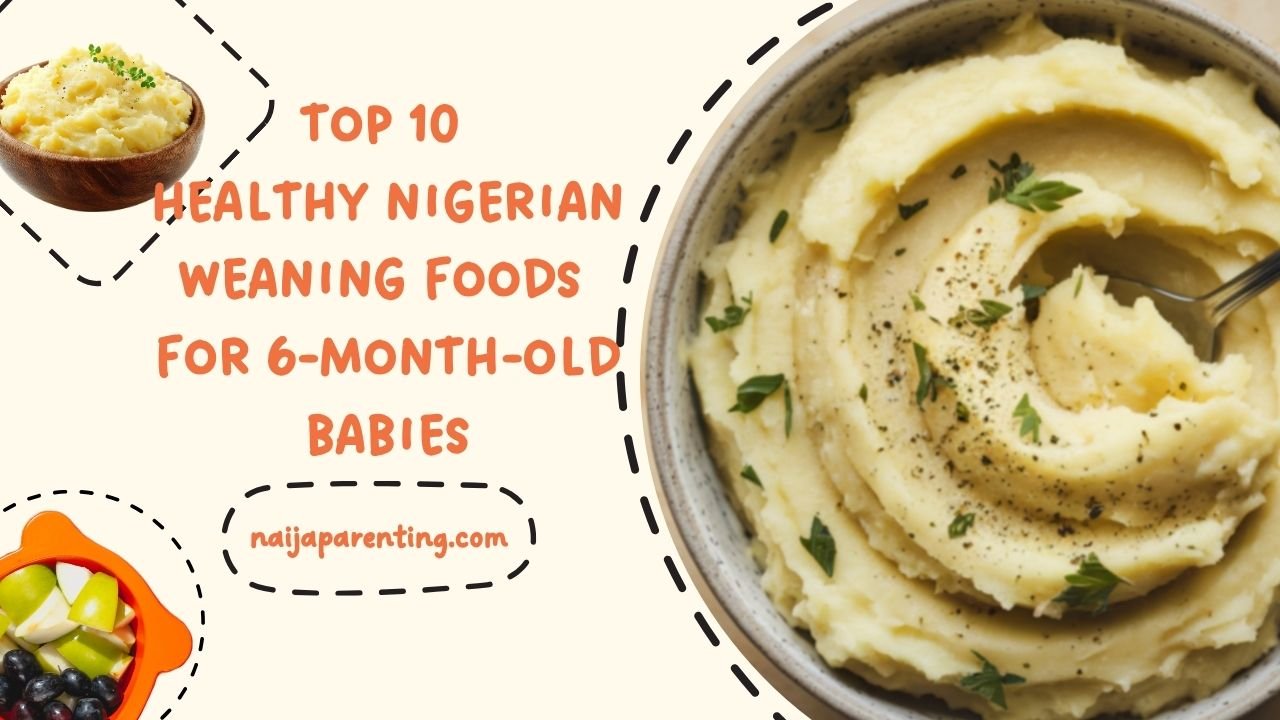
The moment your baby turns six months old is one of those exciting milestones that every Nigerian parent looks forward to. Your little one is ready to explore the world beyond breast milk, and the journey of introducing solid foods begins. But with so many options and so much advice from grandmothers, aunties, and neighbours, it can feel overwhelming to know where to start.
The good news is that Nigeria is blessed with an abundance of nutritious, locally available foods that are perfect for weaning your baby. You do not need to spend a fortune on imported cereals or baby food jars. Right here in our markets, you will find everything your baby needs to grow strong and healthy.
This guide covers the top 10 healthy Nigerian weaning foods for 6-month-old babies, with practical tips on preparation, safety, and how to make the transition smooth for both you and your child.
Why Weaning at 6 Months Matters
The World Health Organization and Nigerian paediatricians recommend exclusive breastfeeding for the first six months of life. After six months, breast milk alone is no longer sufficient to meet your baby’s growing nutritional needs, especially for iron and zinc.
Starting weaning foods at the right time supports your baby’s brain development, physical growth, and immune system. Starting too early can cause digestive problems, while starting too late may lead to nutritional deficiencies.
Signs Your Baby Is Ready for Weaning
- Your baby can sit upright with minimal support
- They show interest in food when they watch you eat
- They can hold their head steady
- They open their mouth when food is offered
- The tongue-thrust reflex (pushing food out with the tongue) has reduced
If your baby is showing these signs around six months, it is time to begin the weaning journey.
The Top 10 Healthy Nigerian Weaning Foods
1. Pap (Ogi / Akamu)
Pap is arguably the most popular first food for Nigerian babies. Made from fermented corn, millet, or guinea corn, it is light on the stomach and easy to digest. To boost its nutritional value, enrich your pap with ground crayfish, milk, or mashed banana. Plain pap alone is low in nutrients, so always fortify it.
2. Mashed Yam and Egg Yolk
Yam is a staple carbohydrate in many Nigerian homes. When boiled until very soft and mashed with a little water or breast milk, it becomes a smooth, baby-friendly meal. Adding mashed egg yolk provides protein and essential fats that support brain development.
3. Boiled and Mashed Sweet Potatoes
Sweet potatoes are rich in beta-carotene, which the body converts to vitamin A. This nutrient is critical for your baby’s eyesight and immune system. Sweet potatoes are naturally sweet, so most babies accept them happily without any added sugar.
4. Beans Porridge (Mashed)
Beans are an excellent source of plant-based protein and iron. Cook beans until they are very soft, remove the skin, and mash or blend into a smooth puree. You can mix it with a small amount of palm oil for extra vitamins and healthy fats.
5. Unripe Plantain Porridge
Unripe plantain is a wonderful source of complex carbohydrates and potassium. Boil and blend it into a smooth consistency. It pairs well with a little vegetable broth or mashed fish for added nutrition.
6. Mashed Avocado (Pear)
Avocado, commonly called pear in many parts of Nigeria, is a superfood for babies. It is packed with healthy fats, fibre, and vitamins. No cooking is required. Simply scoop out ripe avocado flesh and mash it with a fork until smooth. It is one of the easiest weaning foods to prepare.
7. Tom Brown (Roasted Corn and Groundnut Mix)
Tom Brown is a popular Nigerian baby food made by roasting corn, groundnuts, soybeans, and sometimes millet, then grinding them into a fine powder. It is nutrient-dense and provides a good balance of carbohydrates, protein, and healthy fats. Prepare it as a smooth, warm porridge.
8. Fish and Vegetable Puree
Fresh fish like mackerel (titus) or tilapia, when deboned carefully and blended with cooked spinach or pumpkin leaves (ugu), makes a powerhouse meal. Fish provides omega-3 fatty acids and protein, while the vegetables add iron and vitamins. Always ensure there are absolutely no bones before serving.
9. Mashed Ripe Banana
Bananas are affordable, widely available, and loved by most babies. They are rich in potassium, vitamin B6, and natural sugars that provide energy. Mash a ripe banana with a fork and serve as is, or mix with a little pap or yoghurt for variety.
10. Soya Bean Powder Porridge
Soya beans are one of the most protein-rich plant foods available in Nigeria. Roasted and ground into powder, soya bean porridge is an affordable and highly nutritious weaning food. It is especially useful for families looking to boost protein intake without relying solely on animal sources.
How to Prepare Nigerian Weaning Foods Safely
Hygiene First
Always wash your hands thoroughly before preparing your baby’s food. Sterilize all utensils, bowls, and spoons. Babies have delicate immune systems, and contaminated food can cause diarrhoea and other infections.
Start with Single Foods
Introduce one food at a time and wait two to three days before trying another. This helps you identify any allergic reactions. If your baby develops a rash, vomiting, or unusual stool after a new food, stop that food and consult your paediatrician.
Get the Texture Right
At six months, all foods should be pureed or mashed to a very smooth consistency. As your baby gets used to eating, you can gradually make the texture thicker over the following weeks and months.
Common Mistakes Nigerian Parents Make During Weaning
- Adding sugar or salt to baby food: Babies under one year do not need added sugar or salt. Their kidneys are too immature to handle excess sodium, and sugar sets the stage for unhealthy eating habits.
- Giving plain pap without fortification: Unfortified pap is mostly water and starch. Always add a protein source, healthy fat, or fruit to boost its nutritional content.
- Stopping breastfeeding when weaning starts: Weaning does not mean stopping breast milk. Continue breastfeeding alongside solid foods for up to two years or beyond.
- Forcing the baby to eat: If your baby turns away or spits out food, do not force it. Try again later or the next day. Patience is key during this stage.
- Relying on one food type: Variety is essential. Rotate between different food groups to ensure your baby gets a balanced diet.
Practical Weekly Meal Plan for a 6-Month-Old
Here is a simple plan to guide you through the first few weeks of weaning:
- Week 1: Fortified pap with breast milk
- Week 2: Mashed sweet potato or ripe banana
- Week 3: Mashed avocado or boiled yam puree
- Week 4: Introduce blended beans or fish puree alongside familiar foods
Start with one to two tablespoons once a day, then gradually increase the quantity and frequency as your baby adjusts.
The Role of Extended Family in Your Baby’s Weaning Journey
In Nigerian culture, grandmothers and extended family members often play a significant role in childcare. While their experience is valuable, some traditional practices may be outdated. For example, giving babies water or herbal concoctions before six months is no longer recommended.
Respectfully share updated guidelines from your paediatrician with family members involved in your baby’s care. Frame it as new knowledge rather than criticism of their methods. A simple statement like, “The doctor said we should try it this way,” often works well.
Conclusion
Weaning your 6-month-old baby is a beautiful and important milestone. With the wealth of nutritious, affordable foods available across Nigeria, you have everything you need to give your child a strong nutritional foundation.
From fortified pap and mashed sweet potatoes to avocado and Tom Brown, these local weaning foods provide the vitamins, minerals, protein, and energy your growing baby needs.
Take it one food at a time, maintain good hygiene, and trust yourself as a parent. Your baby will develop their own preferences, and with patience and consistency, mealtimes will become something both of you enjoy.
When in doubt, consult your paediatrician for personalised guidance.
Frequently Asked Questions
Can I give my 6-month-old baby water alongside weaning foods?
Yes, you can introduce small sips of clean water during mealtimes once weaning begins. However, breast milk should still be the primary source of hydration. Avoid giving large amounts of water as it can fill up your baby’s tiny stomach and reduce their appetite for nutrient-rich foods.
Is it safe to add palm oil to my baby’s weaning food?
Yes, a small amount of unbleached, natural palm oil is safe and nutritious for babies. It is rich in vitamin A and healthy fats that support your baby’s development. Avoid processed or bleached palm oil, and use only small quantities.
How many times a day should I feed my 6-month-old solid food?
Start with one meal per day during the first few weeks of weaning. By the end of the sixth month or early seventh month, you can increase to two meals a day. Continue breastfeeding on demand alongside solid foods.
Can I use a blender to prepare all my baby’s weaning foods?
Absolutely. A blender is a practical tool for achieving the smooth consistency that young babies need. As your baby grows and develops chewing skills, you can transition to mashing foods with a fork to introduce slightly thicker textures.
What should I do if my baby refuses to eat a particular food?
Do not panic or force it. Babies may need to be offered a new food up to 10 or 15 times before they accept it. Try presenting the food at different times, mixing it with a familiar food, or adjusting the texture. Patience and persistence are your greatest tools during the weaning phase.